
Historical trousers and breeches: cuts, rise and fit
Compare leg shapes, choose where the hem should sit and take waist and seat measurements before ordering.
Updated
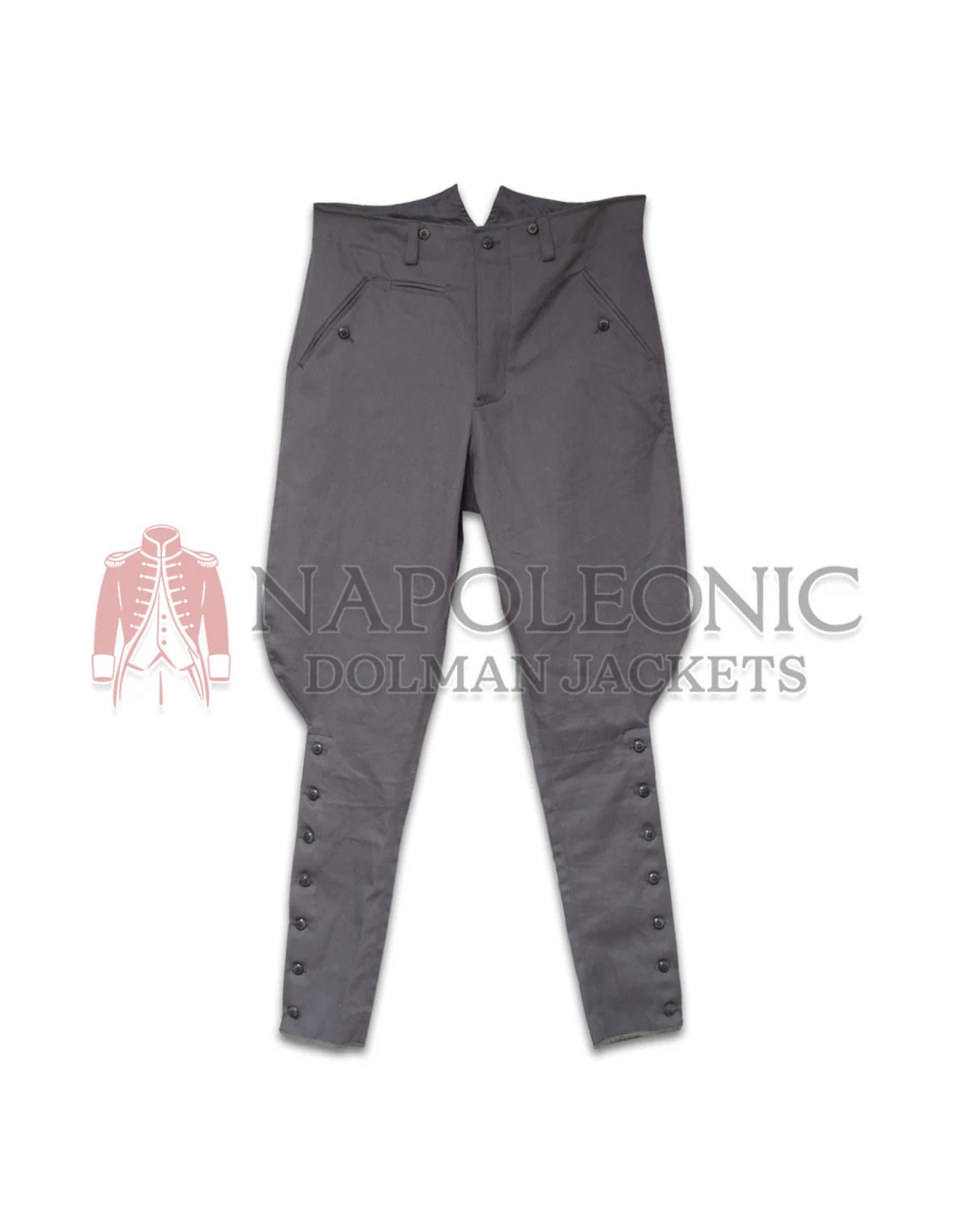
Start with the leg shape and hem
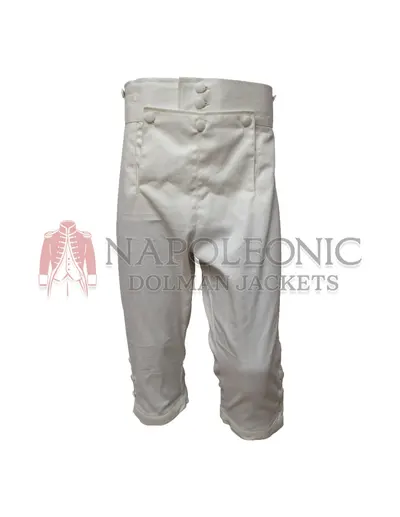
Choose the silhouette that suits the outfit and footwear. Long trousers can fall over shoes or be cut to a length that works with boots. Breeches come in more than one shape. The WW1 Officer German Breeches shown above are fuller above the knee and narrow toward the lower leg. The British short-leg cotton trouser gives a different, shorter silhouette. For period reference, the Smithsonian’s original wool breeches also illustrate a short leg with closures at the opening.
Measure where you want the waistband to sit
Take the waist circumference where the garment will sit. A higher waistband can cover a different circumference from the waistband of everyday jeans. Measure around the fullest part of the seat and note whether you expect to wear a tucked shirt. If you want to match a pair you already own, record the distance from the crotch seam to the top of the waistband as a separate garment measurement.
Check inside leg, knee and boot clearance
Measure the inside leg from crotch to the intended hem. Take the measurement with the shoes or boots you plan to wear, and note where the boot top sits. For a tapered style, check the space available at the knee and calf. If you are ordering for a performance, try a sitting position and a deep step in a similar garment to work out where you need room.
Compare the catalog examples
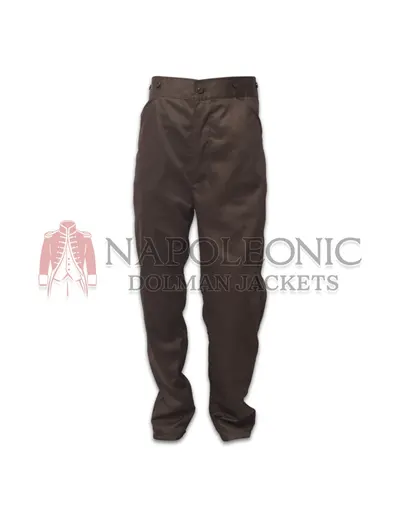
Browse historical trousers, including the Classic Canvas Walnut Trousers, or compare breeches by period. Check the individual listing for cloth and size options. Use the measurement guide to record your units. If you need a specific hem or a high waist, confirm which dimensions the seller needs before ordering.