
Civil War sack coat vs frock coat: how to choose
Compare coat length, pockets, sleeves and trim before selecting a Civil War reproduction.
Updated
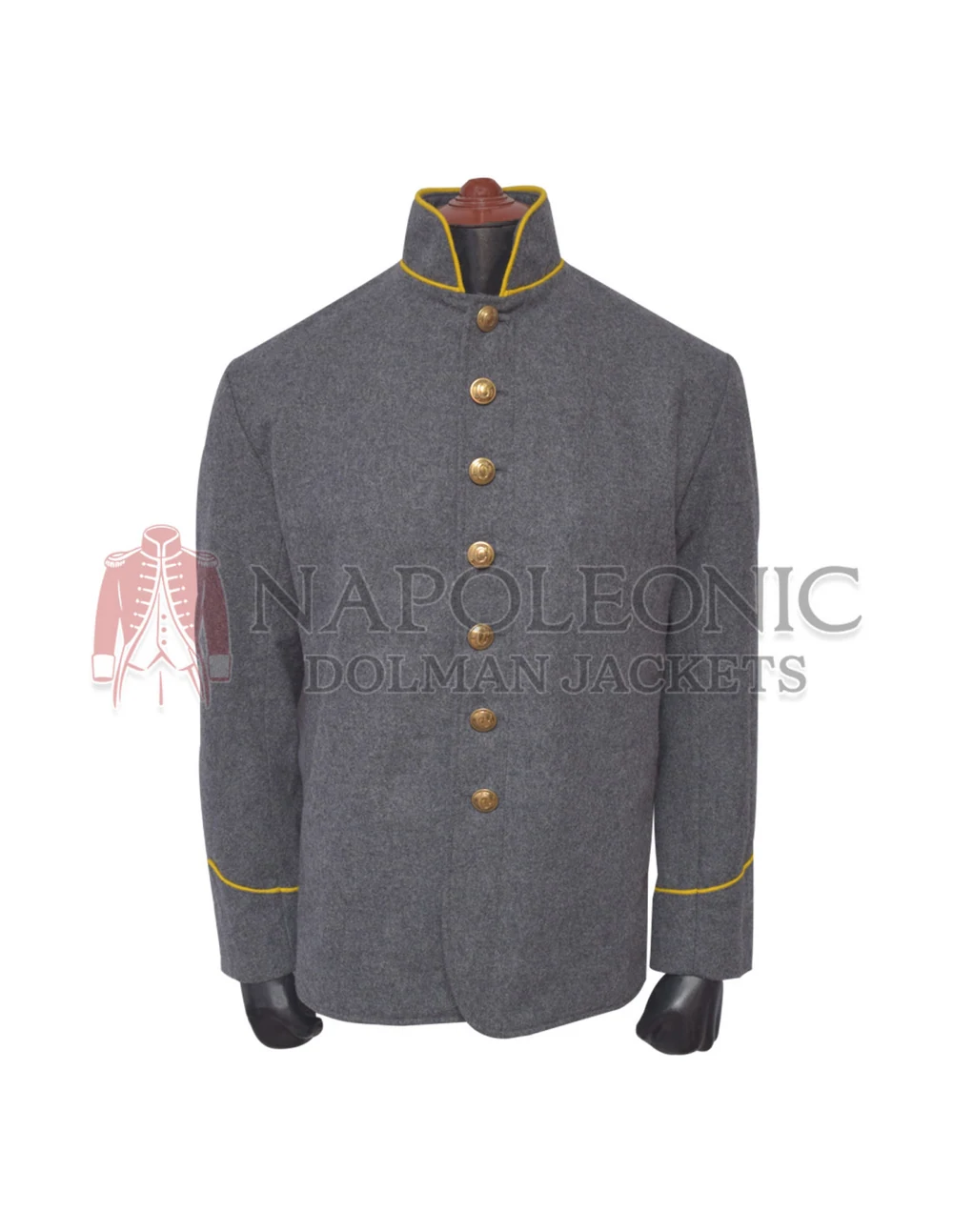
Start with the length and silhouette
The Smithsonian’s Soldier’s Way of Life collection documents variation in Civil War clothing and includes examples of longer frock coats and shorter forms. Which cut is suitable for your outfit depends on the unit, date and event requirements.
The cavalry sack coat and double-breasted officer’s frock coat show the difference between two concrete catalog examples. Check the product’s side view, hem, button arrangement and how much the front overlaps.
Check the details your reference calls for
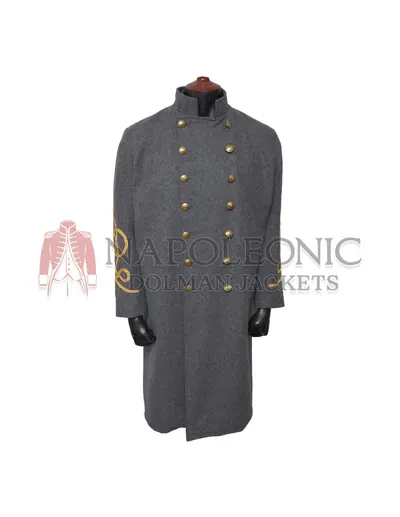
Look for the collar shape, pockets, cuff trim and button finish. The Smithsonian’s captain’s frock coat record records one double-breasted wool example with a specific button arrangement. Use an object record or group kit list for your chosen unit and period. Combine references only if your group or costume designer approves the result.
Fit the coat over the planned clothing
Measure over your shirt and other layers, and note whether you will wear a belt or suspenders. A longer coat should feel comfortable when you sit and move. Check body and sleeve length separately, and use the size guide before submitting numbers. Include any fit concern in the order notes.
Check stock and outfit pieces separately
Browse Civil War sack coats and Civil War frock coats. Review the actual listing for fabric, lining, options and included pieces. If you need a cap or trousers, compare the matching Civil War clothing collection and confirm you have the correct separate sizes.